17+ What Is The Difference Between Flour And Self Raising Flour Information
What is the difference between flour and self raising flour Self-rising flour is white wheat flour thats also enriched with nutrients but it has added baking powder and salt which act as leavening agents.
What is the difference between flour and self raising flour. Youll see a lot of Southern recipes call for this ingredient particularly biscuits. Self-rising flour like all types of flour is made from wheat with low protein. When recipes require self-rising flour youll often find that less baking powder or salt is needed in the rest of the recipe. The biggest difference between the two is self-rising flour is a lower-protein flour that already includes a portioned addition of baking powder and salt in the bag. Self-rising flour produces a risen baked product without the addition of further leavening agents like yeast. Self-rising flour is unique in that it has had leavening agents the ingredients that make the baked good rise spread throughout the flour already. Just like all-purpose flour self-rising flour. However if you do not have self-rising flour and your recipe calls for it you can make it. To replicate self-raising flour the proportion is approximately 1 tsp baking powder. Self-rising flour is commonly used in the South because it is the land of low-protein wheat. Similarly you cant substitute self-rising flour for regular flour. The salt serves 2 purposes to help absorb some of the liquid in the recipe for use by the BP and additionally for some flavor.
A recipe that calls for self-rising flour needs self-rising flour. Of course you need to check that the baking powder you add to the plain flour is also. The main difference between all purpose flour and self rising flour is that it doesnt contain any leavening agents. What is the difference. What is the difference between flour and self raising flour British Self-Raising flour is more of a Pastry Flour lower protein whereas American Self-Rising is an All-Purpose higher protein flour. Can I swap plain flour for self-raising flour in a recipe. Most recipes like biscuits and other fluffy baked goods commonly call for this type of flour. Self-rising flour is exactly what it sounds like. Self-raising flour contains baking powder but as baking powder will expire after a period of time you need to use up self-raising flour more quickly than plain flour. Self-raising flour has a specific ratio of flour to baking powder. The baking powder acts as the leavening agent in the flour. This substitute will have a higher protein content than commercial self-raising flour so be careful not to over mix and be prepared to add a bit more liquid if your dough or batter is looking dry. This is when the recipe will call for plain flour and baking powder as separate ingredients.
 Primaflour Self Raising Flour
What is the difference between flour and self raising flour Martin says that self-rising flour is particularly great for breakfast foods like biscuits and pancakes and a million other things which prefer a less toothy crumb.
What is the difference between flour and self raising flour. 150gm 1 cup of plain flour. Self-raising flour has a raising agent and sometimes salt already added to it. The more you seem to cook the more you stumble upon unfamiliar terms.
Plain flour requires you to add your raising agents separately to make your bakes rise. In order to stand up to its name and be self-rising the flour contains baking powder and salt to do the job. Comparatively self-rising flour is a mixture of all-purpose flour baking powder and salt that enables baked goods to rise without additional leaveners but leads especially voluminous baking when combined with yeast.
Nigella prefers to use a combination of plain all-purpose flour and baking powder rather than self-raising self-rising flour for practical reasons. It contains 8 of protein unlike all-purpose flour which has around 10-12. However many recipes require a different proportion of baking powder to flour in order to achieve the desired leavening.
All-purpose flour has no additional agents or ingredients while self-rising flour has all-purpose flour baking powder and salt. Self-rising flour is a blend of all-purpose flour a leavening agent baking powder baking soda or a bit of both and salt. The main difference between self-raising flour and plain flour is that self-raising flower contains dried yeast to make cakes raise while plain flour is made of refined wheat only.
1The main difference between all-purpose or plain flour and self-rising flour is the makeup of both types. A type of flour that doesnt need a leavening agent such as baking soda to rise because its already mixed in to the flour. Whilst cake flour is just that flour self-rising flour is regular flour with a few added ingredients.
What is Self Rising Flour Self Raising Flour Self rising flour or self raising flour is a flour that leavening agents and salt added to it during packaging. What exactly sets plain flour and self-raising flour apart.
What is the difference between flour and self raising flour What exactly sets plain flour and self-raising flour apart.
What is the difference between flour and self raising flour. What is Self Rising Flour Self Raising Flour Self rising flour or self raising flour is a flour that leavening agents and salt added to it during packaging. Whilst cake flour is just that flour self-rising flour is regular flour with a few added ingredients. A type of flour that doesnt need a leavening agent such as baking soda to rise because its already mixed in to the flour. 1The main difference between all-purpose or plain flour and self-rising flour is the makeup of both types. The main difference between self-raising flour and plain flour is that self-raising flower contains dried yeast to make cakes raise while plain flour is made of refined wheat only. Self-rising flour is a blend of all-purpose flour a leavening agent baking powder baking soda or a bit of both and salt. All-purpose flour has no additional agents or ingredients while self-rising flour has all-purpose flour baking powder and salt. However many recipes require a different proportion of baking powder to flour in order to achieve the desired leavening. It contains 8 of protein unlike all-purpose flour which has around 10-12. Nigella prefers to use a combination of plain all-purpose flour and baking powder rather than self-raising self-rising flour for practical reasons. Comparatively self-rising flour is a mixture of all-purpose flour baking powder and salt that enables baked goods to rise without additional leaveners but leads especially voluminous baking when combined with yeast.
In order to stand up to its name and be self-rising the flour contains baking powder and salt to do the job. Plain flour requires you to add your raising agents separately to make your bakes rise. What is the difference between flour and self raising flour The more you seem to cook the more you stumble upon unfamiliar terms. Self-raising flour has a raising agent and sometimes salt already added to it. 150gm 1 cup of plain flour.
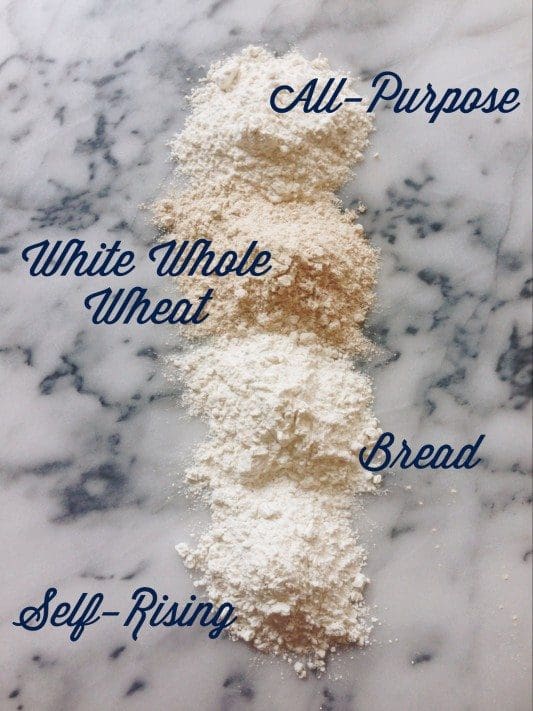 Baking 101 The Difference Between Baking Flours Joy The Baker
 How To Make Cake Flour Vs Self Rising Flour Difference Between Two Types Of Flour Youtube